




















































Academic Stress and Teen Well-Being
Academic stress is a major issue for many teenagers today. High school students often feel overwhelmed by homework, tests, grades, and expectations for the future. Between maintaining good grades, preparing for college, and participating in activities, many teens feel like there is constant pressure to succeed. This pressure can come from parents, teachers and even from students themselves.
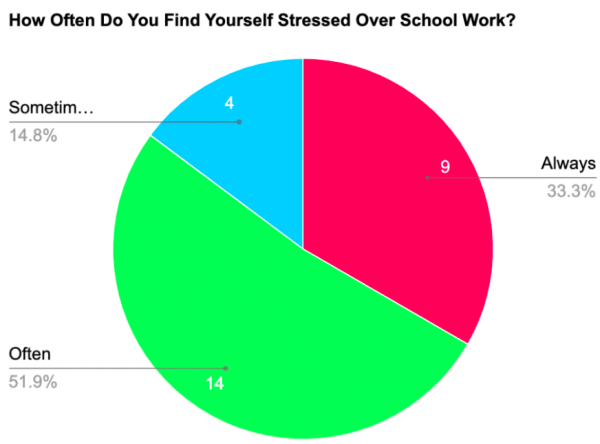
Many teenagers believe that doing poorly in school means they are not successful or capable. This mindset can be very harmful because it makes students tie their self-worth to their grades. When teens constantly worry about failing or disappointing others, it can lead to anxiety, burnout, and a loss of motivation. Some students begin to feel exhausted or stop enjoying school altogether. Stress can also make it harder to focus in class, study effectively, or even ask for help when it is needed.
Academic stress does not only affect mental health it can also impact physical health. Teens under a lot of pressure may experience headaches, stomachaches, fatigue, poor sleep, or a lack of energy during the day. Many students stay up late studying or worrying about assignments, which causes them to feel tired and unfocused the next day. Mental stress often shows up in the body, even if students do not realize it at first.
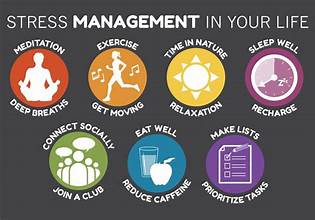
Physical activity can play an important role in reducing stress and improving overall well-being. Gym class and sports give students a chance to release stress, move their bodies, and take a break from academic pressure. Exercise can help improve mood, energy levels, and concentration. When students stay active, they are often better able to handle stress and stay balanced.
Schools can help by encouraging a healthier balance between academics and physical activity. Teachers and parents should remind teens that mental and physical health are just as important as grades. While education is important, students should not feel like their entire future depends on one test or assignment. Supporting teen well-being can help students feel more confident, motivated, and prepared for life beyond high school.